




- projects@morayaaircon.com
- +91 7030877999, +91 9225123921
Product Details of Cold Storage Room
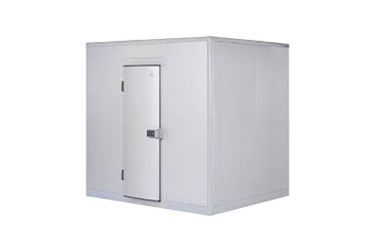
Moraya Aircon
Cold Storage Room
What Is a Cold Room?
A cold room, also known as a walk-in cooler or cold storage facility, is a dedicated space designed to maintain specific temperature conditions. Its primary purpose is to ensure the optimal storage of perishable goods, sensitive materials, and temperature-sensitive processes. Let’s explore further:
Functions and Features of Cold Rooms
- Temperature Regulation:
- Cold rooms maintain consistent and controlled temperatures, whether refrigerated or frozen.
- This preservation ensures the quality and safety of stored items.
- Storage and Preservation:
- Cold rooms store perishable goods such as fresh produce, dairy products, meats, and pharmaceuticals.
- By slowing down deterioration, they extend the shelf life of these items.
- Environmental Control:
- Many cold rooms incorporate humidity control systems.
- These systems prevent the growth of mold, mildew, and other microorganisms that thrive in damp conditions.
- Process Control:
- Industries with specific temperature requirements (e.g., manufacturing, research) benefit from cold rooms.
- These controlled environments facilitate various activities.
How Does a Cold Room Work?
- Cold rooms operate similarly to other refrigeration systems.
- Key components include:
- Insulated Panels: Minimize heat transfer and maintain desired temperatures.
- Efficient Refrigeration Systems: Remove heat and sustain cold temperatures.
- Sealed Doors: Prevent temperature fluctuations and maintain airtight environments.
- Temperature and Humidity Control Systems: Ensure precise regulation.
- Shelving and Racking Systems: Organize storage efficiently.
Applications of Cold Rooms
- Food Industry:
- Cold rooms store and preserve perishable food items, preventing spoilage and ensuring food safety.
- Pharmaceutical Industry:
- Crucial for storing medications, vaccines, and sensitive pharmaceutical materials requiring controlled temperatures.
- Retail:
- Grocery stores, supermarkets, and restaurants use cold rooms for fresh produce, dairy, meats, and frozen products.
- Manufacturing:
- Cold rooms support processes with specific temperature needs (e.g., electronics assembly, precision machining).
- Floral Industry:
- Extend the lifespan of cut flowers and plants, maintaining product freshness.
Benefits of Cold Rooms
- Product Quality:
- Cold rooms preserve texture, flavor, and appearance, preventing spoilage and waste.
Remember, cold rooms play a vital role in maintaining the freshness and safety of various goods. Whether it’s food, pharmaceuticals, or other sensitive materials, these controlled environments ensure optimal storage conditions