




- projects@morayaaircon.com
- +91 7030877999, +91 9225123921
Product Details of Water Chiller
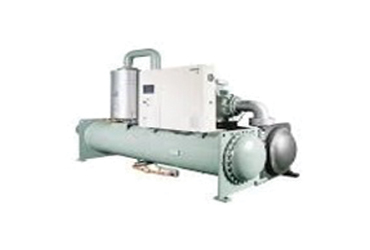
Moraya Aircon
Water Chiller
What Is a Chiller?
An industrial chiller is a refrigeration system designed to lower the temperature of machinery, industrial spaces, and process fluids by removing heat from the system and transferring it elsewhere. These chillers are essential for temperature regulation in various industrial applications, including injection molding, metal plating, oilfield production, and food processing.
Why Use a Chiller?
- Temperature Control: Chillers are beneficial when strict operational temperatures are required. They prevent thermal damage to process equipment and ensure consistent product quality.
- Health and Safety: Proper cooling prevents exposure to unsuitable temperatures, which can harm both equipment and final products.
- Energy Efficiency: Chillers help maintain energy-efficient operations by managing heat effectively.
Working Principles of Chillers
Chillers operate based on the following principles:
- Phase Change: When heated, a liquid coolant undergoes a phase change into a gas. When the gaseous coolant is supercooled, it condenses back into a liquid.
- Heat Flow: Heat energy always flows from an area of high concentration to an area of lower concentration.
- Boiling Point: Reducing pressure over a liquid decreases its boiling point while increasing pressure raises it.
How Does a Chiller Work?
An industrial chiller system operates using either of two principles:
- Heat Absorption:
- Heat exchangers pull heat away from associated processes and dissipate it externally.
- Coolant fluids (such as air, water, or a mixture) circulate through the heat exchangers.
- The coolant absorbs heat from the processes and transfers it outside.
- Vapor Compression:
- Coolant circulates through pipes within the processes requiring cooling.
- Heat from the processes is absorbed by the coolant.
- The coolant then goes to a refrigerant system that cools it down, preparing it for a new cycle of process cooling.
Chiller Components
A chiller consists of four essential components:
- Evaporator: Heats the chiller refrigerant, causing it to change into a gas.
- Compressor: Increases the pressure of the refrigerant gas.
- Condenser: Rejects heat using cooling water or air, condensing the refrigerant into a high-pressure liquid.
- Expansion Unit: Prepares the refrigerant for a new cooling cycle.
Remember, chillers are the cornerstone of maintaining precise temperatures in industrial processes. Whether it’s preventing thermal damage or ensuring product quality, these cooling systems play a vital role in various applications